
StormGain · Token sale & bonus game · 2023
What am I buying, when do I get it, and on what terms?
A full token sale inside a trading terminal — stages, vesting, geography, identity — and a prediction game built to bring people back.
The problem
Buying a token is a promise about the future.
A token sale is not a purchase — it's an agreement. Money moves now, the asset unlocks later, in portions, under conditions that differ by country and by the buyer's verification status.
All of that has to be legible on a phone, to someone who has never bought a token before, inside a trading terminal that was built for something else.
The flow
Eight stages, two platforms, every state drawn.
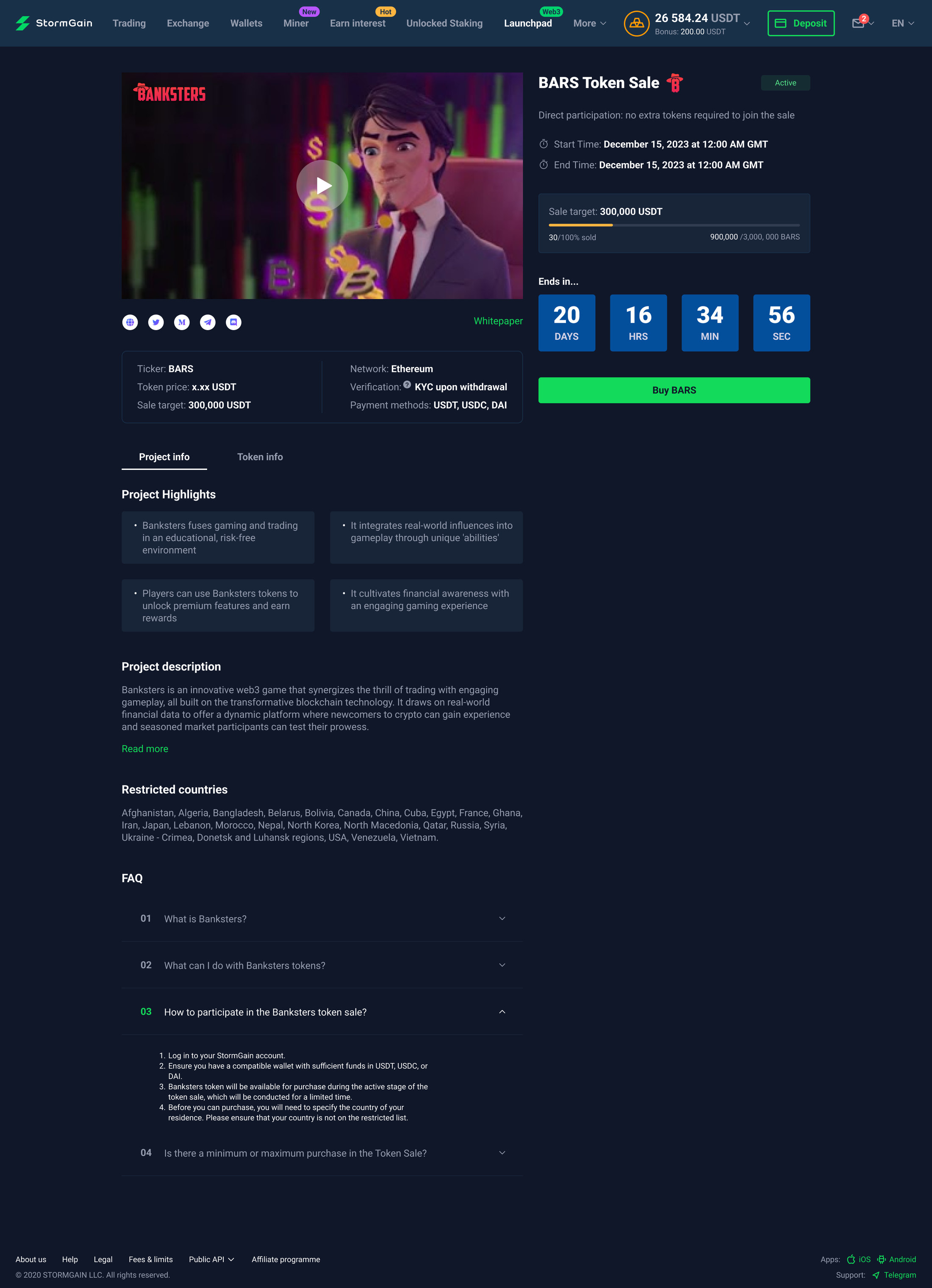
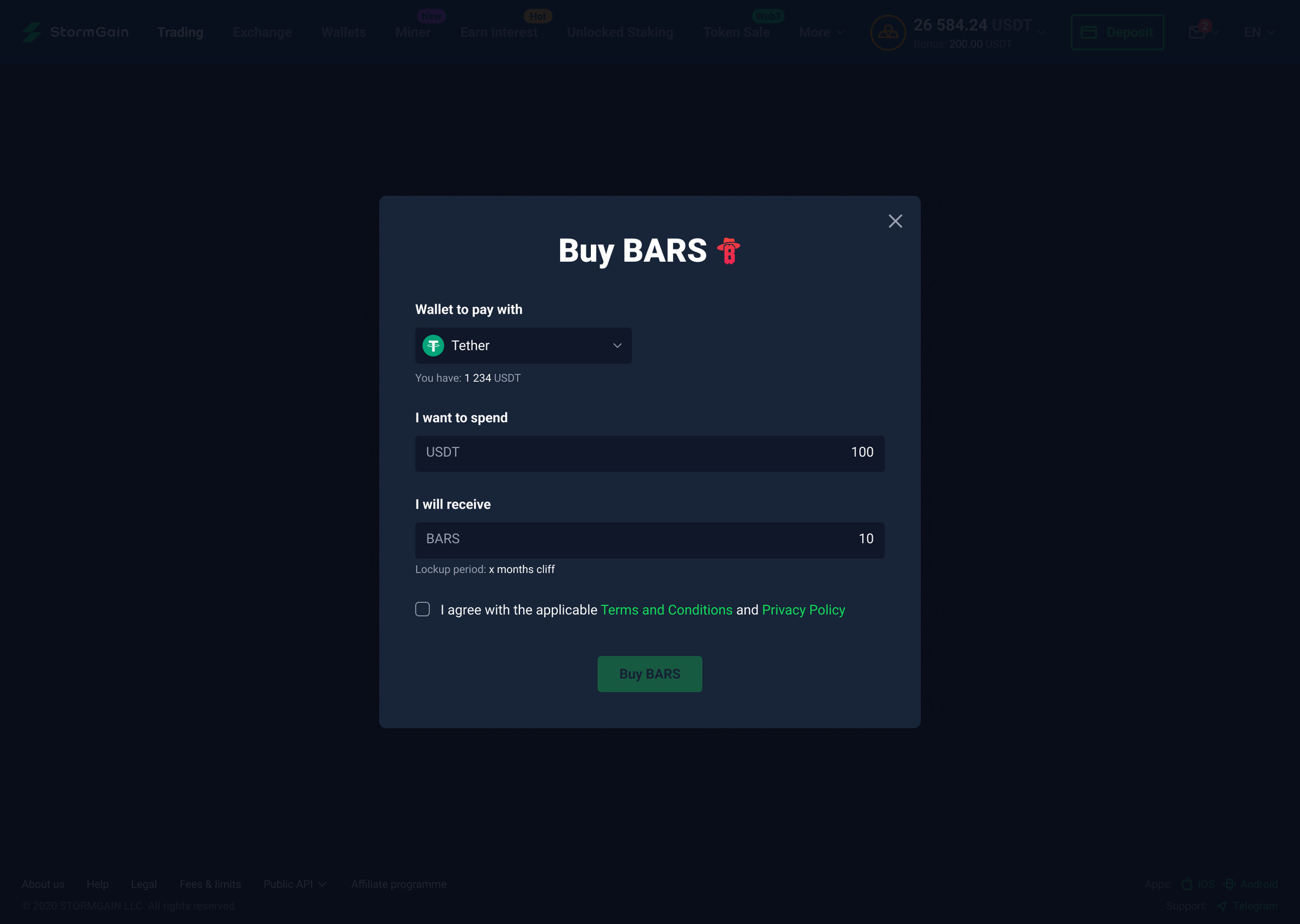
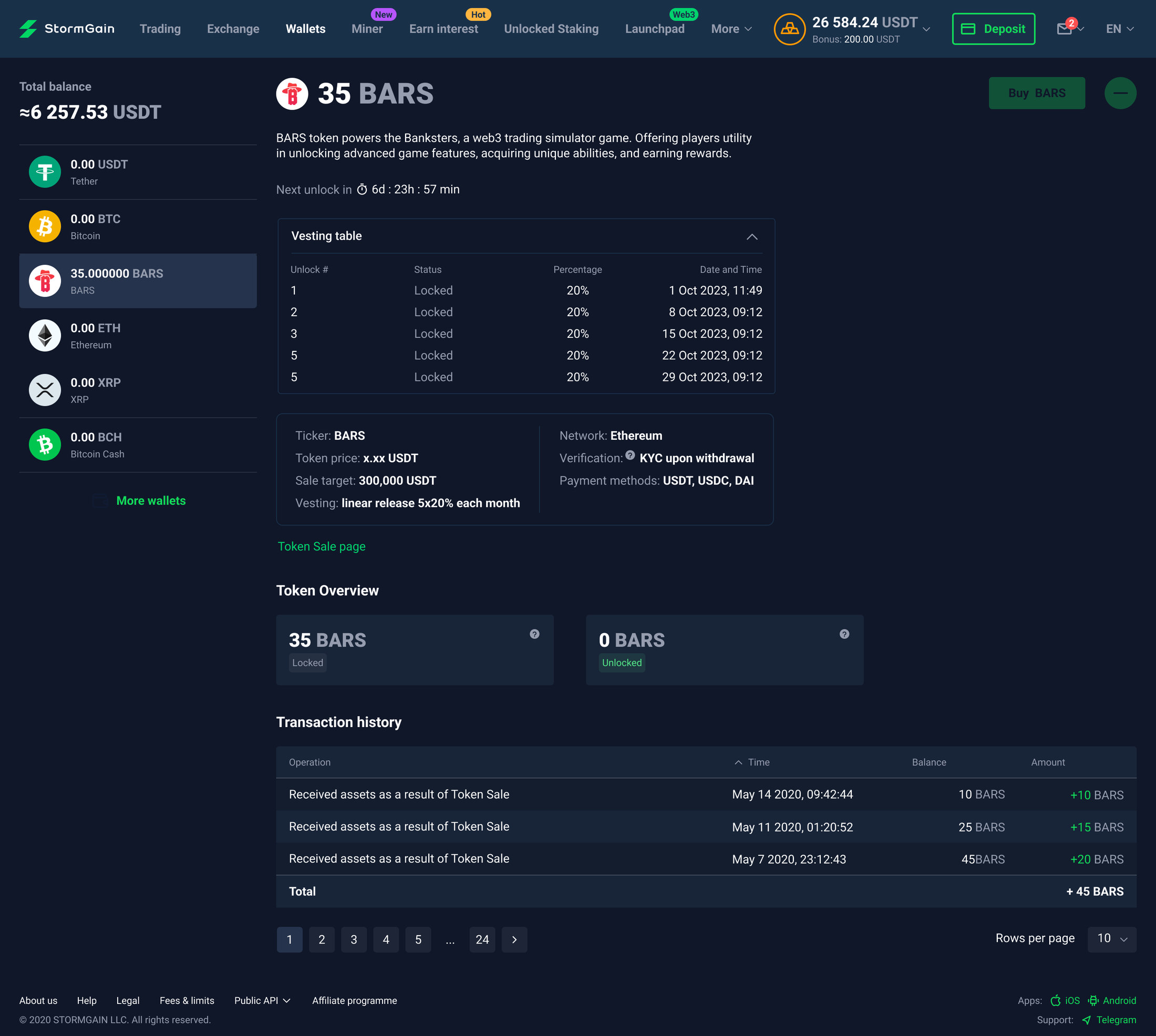
The sale page with its countdown and project details · the upcoming stage with its promo and interest confirmation · the active stage with the purchase sheet · the restricted-country branch · a repeat purchase with fields pre-filled from the last one · the finished stage · vesting and withdrawal with identity checks and enforced two-factor · and the unlock tables that show what is available when.
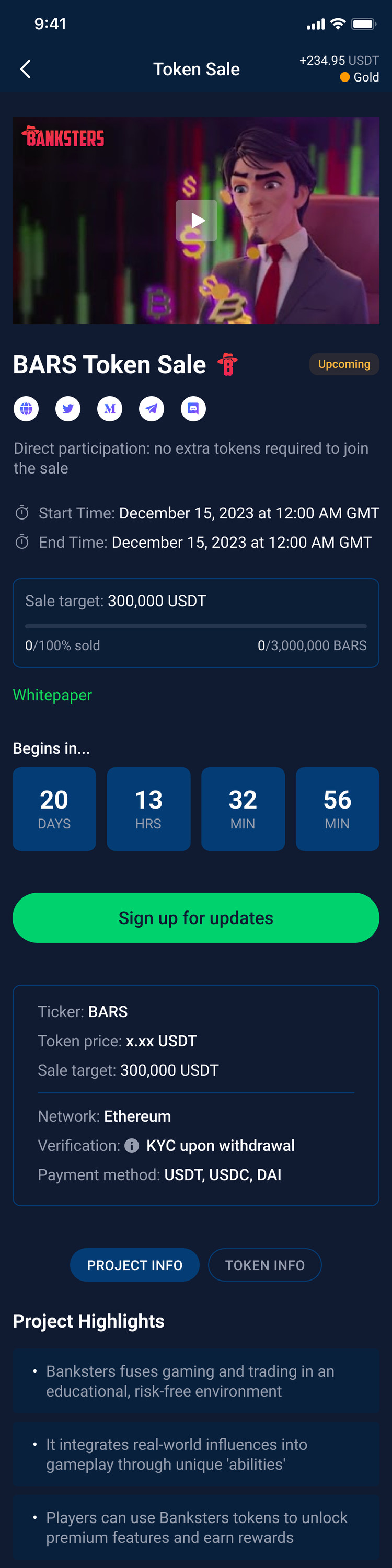
On mobile, the same lifecycle plus a dedicated wallet for the locked balance.
The company had a design team; this project didn't. The sale and the game were mine end to end — both platforms, every stage, every state.
Two decisions
Where the design had to be careful
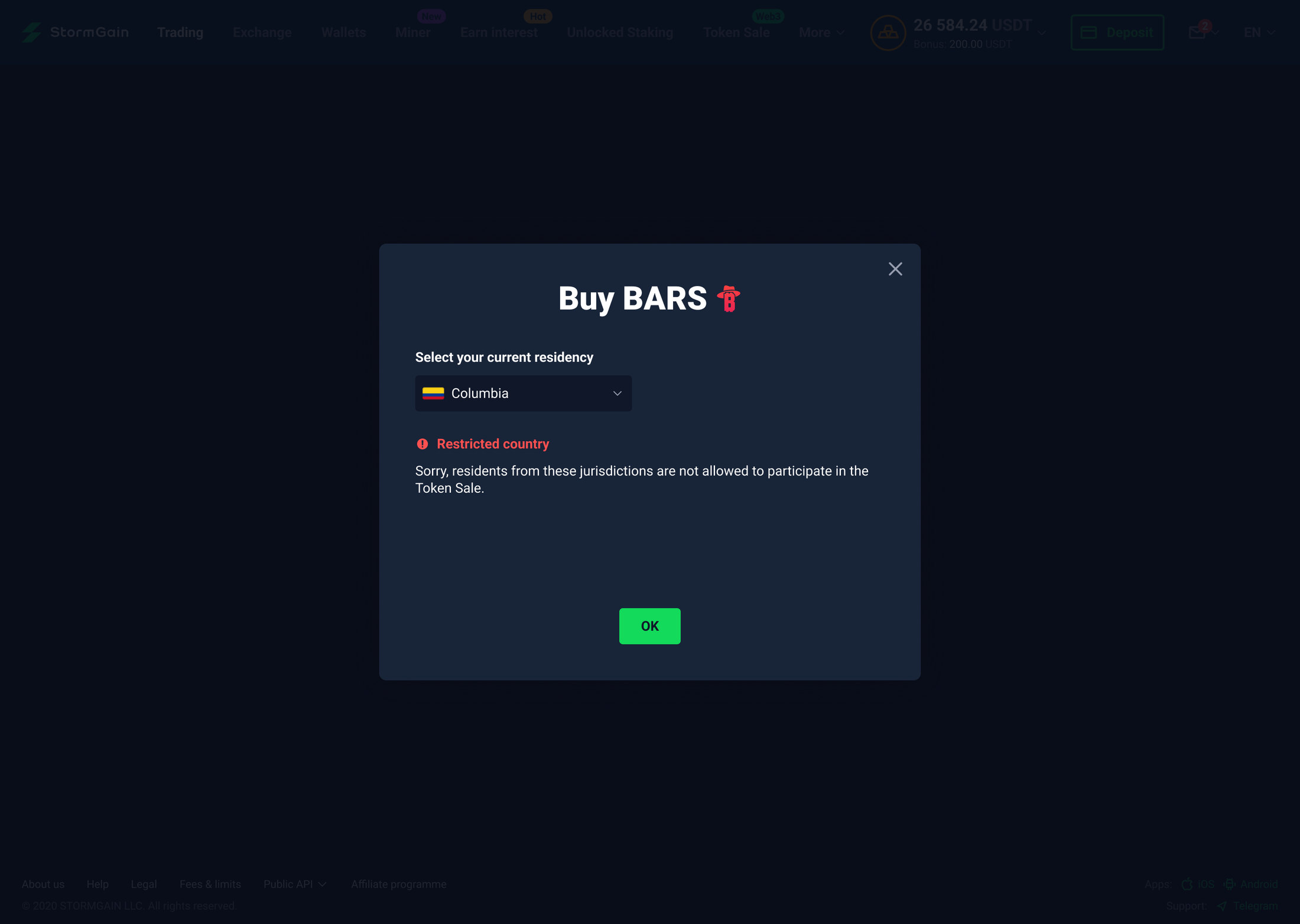
01 — Compliance
Geography is a state, not an error
Country is determined by IP, and the rules differ per region. The interesting part isn't the block — it's what happens when someone's residency changes mid-way, or when a closed modal returns them to a page that must now say something different.
02 — Retention
A prediction game tied to the mining balance
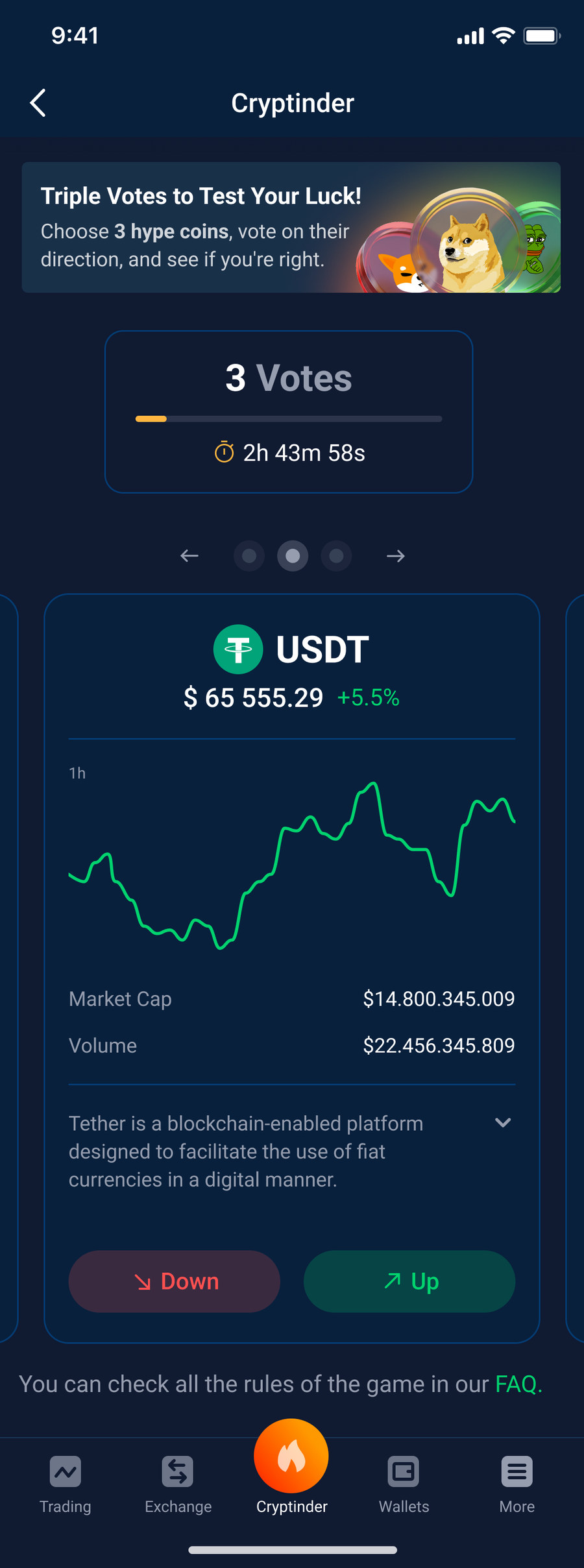
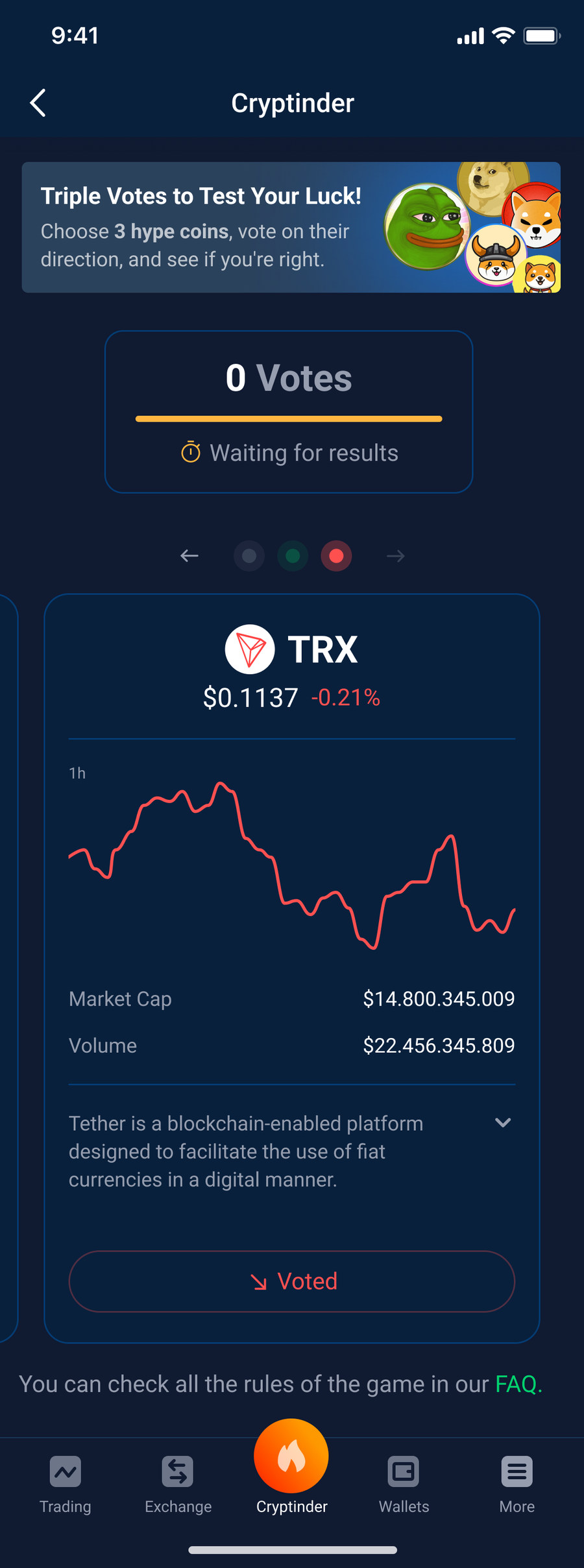
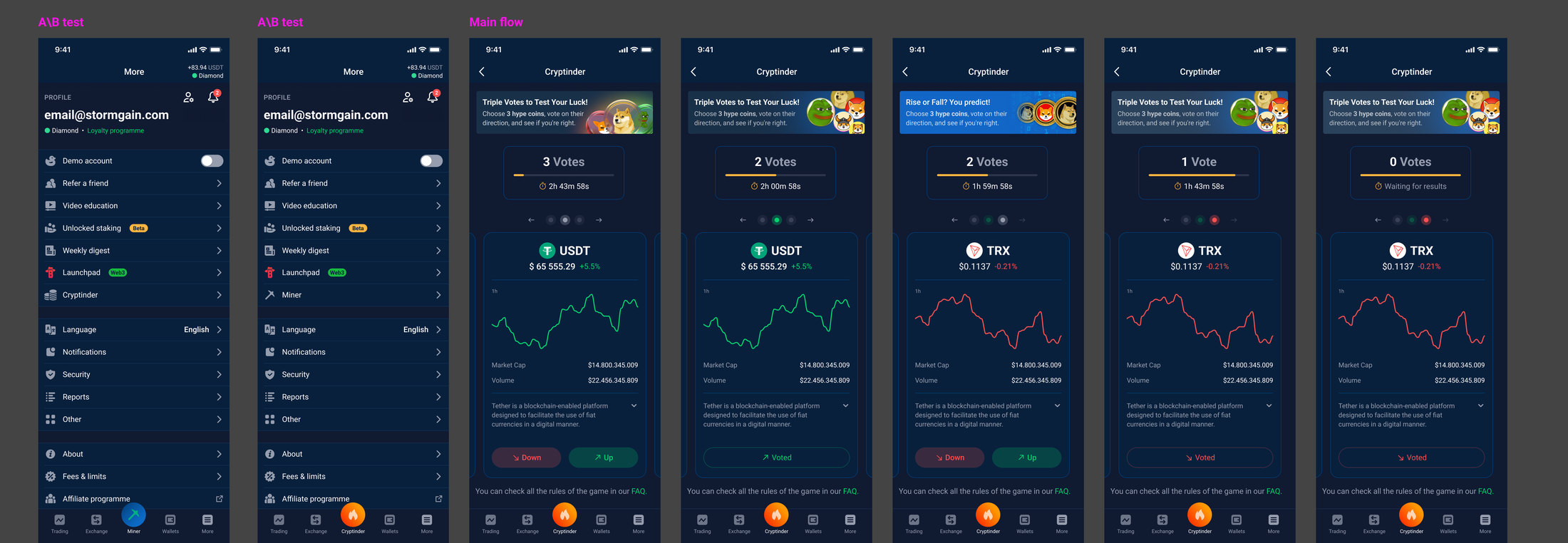
Every four hours users distribute votes across coins, betting on which will be most popular. The stake comes from their balance; a correct call pays into their cloud mining balance, not into an isolated score.
That link is the whole point: the game doesn't sit beside the product, it feeds another part of it. Global rankings and previous results give the loop a reason to be checked again.
Honest note
What this case can and can't show.
These flows shipped in 2023, and I no longer have access to the tickets and discussions from that period — only the design files. So this is a walkthrough of the mechanics and the decisions I can still evidence, not a reconstruction of the process around them.
I'd rather say that than invent a research phase that I can't back up.